The Redemptive Meaning of the Ascension: Part 2
The Resurrection was Christ’s greatest miracle because it showed he is truly the Son of God and confirms his works and teachings. For example, at the time of his Resurrection his humanity enters heaven. By ascending into heaven, Christ opened the gates to heaven for us. Just as Christ is the “first fruits” of the redemption by virtue of his Resurrection, so, too, is he the first fruits of humanity to enter into heavenly glory. Such is the importance of the Incarnation: God had to become human and die so that so that human nature could be redeemed from sin and thereby enter eternal life.
CCC 666: “Jesus Christ, the head of the Church, precedes us into the Father's glorious kingdom so that we, the members of his Body, may live in the hope of one day being with him forever.”
CCC 662: "And I, when I am lifted up from the earth, will draw all men to myself." The lifting up of Jesus on the cross signifies and announces his lifting up by his Ascension into heaven and indeed begins it. Jesus Christ, the one priest of the new and eternal Covenant, "entered, not into a sanctuary made by human hands... but into heaven itself, now to appear in the presence of God on our behalf." There Christ permanently exercises his priesthood, for he "always lives to make intercession" for "those who draw near to God through him". As "high priest of the good things to come" he is the center and the principal actor of the liturgy that honors the Father in heaven.”
The Ascension also inaugurates Christ’s messianic Kingdom. His final instructions before his Ascension defined the mission of the Apostles and the Church until the end of time. Immediately before ascending into heaven, Christ gave the Apostles the authority to preach to all nations, “baptizing them in the name of the Father and of the Son and of the Holy Spirit, teaching them to observe all that I have commanded you” (See Mt 28: 19-20). Then he ascended into heaven before their eyes.
“So then the Lord Jesus, after he spoke to them, was taken up into heaven and took his seat at the right hand of God. But they went forth and preached everywhere, while the Lord worked with them and confirmed the word through accompanying signs” (Mk 16: 19-20)
That Christ returned to the “right hand of God” is significant in part because it underscores his divinity once again. He is the Son of God, one with the eternal Father from before time. His position represents his power and dominion over the everlasting Kingdom, and all honor and glory are due to him.
At time of his Ascension Christ could now send us the Holy Spirit. He said that he had to return to the Father, but he also promised to be with us always until the end of time, and the Holy Spirit would guide his Church in truth:
“But I tell you the truth, it is better for you that I go. For if I do not go, the Advocate will not come to you. But if I go, I will send him to you. And when he comes, he will convict the world in regard to sin and righteousness and condemnation… But when he comes, the Spirit of truth, he will guide you to all truth. He will not speak on his own, but he will speak what he hears and will declare to you the things that are coming” (Jn 16: 7-8,13).
By the virtue of the grace merited by the Paschal Mystery, the Holy Spirit would transform each of Christ’s followers and lead and inspire the Church in the task of continuing Christ’s
redemptive mission. It is the Holy Spirit who confers the sanctifying grace of Christ’s redemption through the Sacraments. It is the Holy Spirit who infuses and awakens within us the theological virtues so that we may experience the gift and fruits of our call to holiness. It is through the power of the Holy Spirit that we are justified and enter into the life of the Blessed Trinity.
CCC 2017: “The grace of the Holy Spirit confers upon us the righteousness of God. Uniting us by faith and Baptism to the Passion and Resurrection of Christ, the Spirit makes us sharers in his life.”
It is also the Holy Spirit who enables us to live the New Law of love issued by Christ, to “love one another as I have loved you,” because the grace received through the Sacraments enables us to practice the virtue of charity.
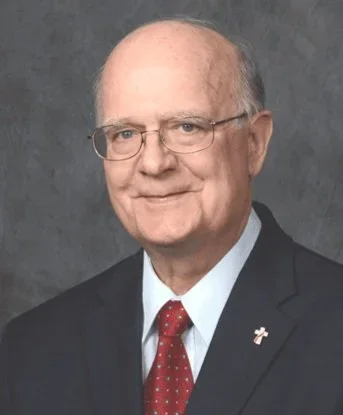
—Dn. Gerry Flamm
“Dear children! Today I want to call you to work in the Church. I love everyone equally and I want everyone to work as much as they can. I know, dear children, that you can, but you do not want to because you feel small and humble in these things. You need to be courageous and contribute little flowers to the Church and to Jesus, so that everyone can be satisfied. Thank you for responding to my call!”