In the New Testament, the body of Christ is of paramount importance in the mystery of the redemption. The term itself, however, has a variety of meanings. Sometimes the phrase indicates the individual body of Christ, sometimes His eucharistic body, and other times that body of which we are members and which is the Church.
The fact that Jesus shared our bodily life is apparent on every page of the New Testament. According to the flesh, St. Paul assets, Jesus is a descendant of the patriarchs, of a woman. In the gospels the reality of Jesus’ human nature is everywhere so evident that it is not necessary to make explicit mention of His body. He experiences hunger, fatigue, thirst, sleep, and suffering.
References to the body of Jesus are intensified in the passion narratives. During the meal at Bethany, His body is anointed for His burial. He dies on the cross and is placed in a tomb. This human end is identical with that of every human being, but it has a special meaning in the mystery of salvation. On the cross Jesus bore our sins in His body, and God reconciled us to Himself in this corporeal body by handing it over to death. This body of Christ, the real paschal Lamb, has been the instrument of our redemption.
The glorified body of Christ, truly a mystery, was not complete with the bodily death of Jesus, but only with His resurrection. While the evangelists stress the reality of the body of the risen Christ in their accounts of the apparitions, they also indicated that it is no longer under the same limitations as before His passion. It is no longer a physical body but rather a spiritual body, a body of glory.
After the resurrection, the body of Christ does not enjoy an invisible heavenly existence at the right hand of the Father. Before his death, Jesus instituted a rite for perpetuating through the use of signs of His earthly presence of His sacrificed body. Through the words of institution, the bread and wine now make present on earth the body of Jesus. By this rite, therefore, the Church participates in a singular experience, the sharing in the body of Christ, which causes the Church to live once again all the elements essential to the mystery of salvation.
CCC 1367: “The sacrifice of Christ and the sacrifice of the Eucharist are one single sacrifice: "The victim is one and the same: the same now offers through the ministry of priests, who then offered himself on the cross; only the manner of offering is different." "And since in this divine sacrifice, which is celebrated in the Mass, the same Christ who offered himself once in a bloody manner on the altar of the cross is contained and is offered in an unbloody manner. . . this sacrifice is truly propitiatory."
The Body of Christ is the Church. The Church is defined as the Mystical Body of Christ. This concept, rooted in the writings of St. Paul, signifies that the faithful are united in Christ as members of one spiritual body, with Jesus Himself acting as the Head. The Church and the Eucharist are inseparably linked. By receiving the physical Body of Christ in the Eucharist, the faithful are spiritually nourished and bound together, making them the mystical Body of Christ in the world.
The Feast of Corpus Christi, also known as the Solemnity of the Most Holy Body and Blood of Christ, is a Christian liturgical solemnity celebrating the Real Presence of the Body and Blood, Soul, and Divinity of Jesus in the elements of the Eucharist.
CCC 1407: The Eucharist is the heart and the summit of the Church's life, for in it Christ associates his Church and all her members with his sacrifice of praise and thanksgiving offered once for all on the cross to his Father; by this sacrifice he pours out the graces of salvation on his Body which is the Church.
Our bodies are called to enter into a new world because they have been grafted onto Christ as His members, have become temples of the Holy Spirit, and will rise with Christ who will transform our bodies of misery to make them resemble His glorious body. Here the function of the body of Christ in our redemption will be fully accomplished.
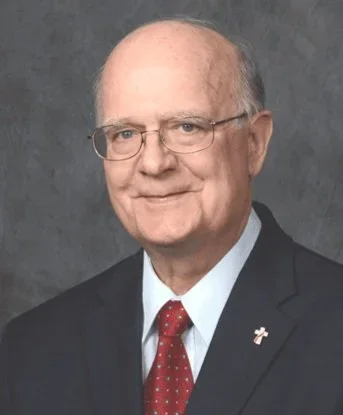
—Deacon Gerry Flamm
“Dear children! I am thanking God for each of you. In a special way, little children, thank you for having responded to my call. I am preparing you for the new times that you may be firm in faith and persevering in prayer, so that the Holy Spirit may work through you and renew the face of the earth. I am praying with you for peace which is the most precious gift, even though Satan wants war and hatred. You, little children, be my extended hands and proudly go with God. Thank you for having responded to my call.”